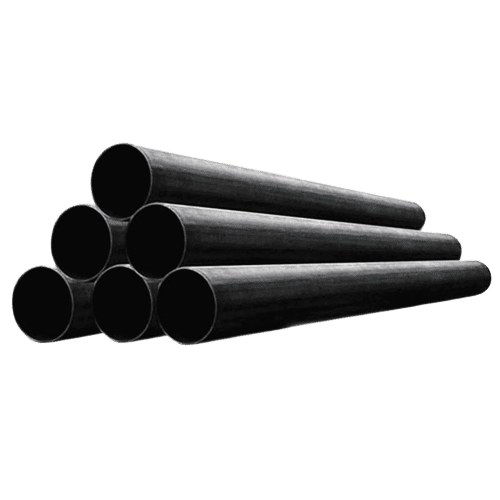
Carbon steel pipes are one of the most widely used materials across industrial sectors due to their strength, durability, and cost efficiency. From transporting oil and gas to supporting structural frameworks, their versatility makes them a top choice for engineers and procurement teams alike. But what exactly is carbon steel pipe used for, and how do grades and standards impact its performance?
In this guide, we’ll break down applications, types, grades, and key standards to help you make informed decisions for your next project.
What Is a Carbon Steel Pipe?
Carbon steel pipe is made primarily from iron and carbon, with minimal alloying elements. The carbon content determines its hardness, strength, and flexibility.
Key Characteristics
- High tensile strength
- Excellent durability
- Cost-effective for large-scale use
- Suitable for high-pressure environments
- Requires coating or treatment to prevent corrosion
What Is Carbon Steel Pipe Used For?
Carbon steel pipes are used in a wide range of industries due to their mechanical strength and affordability.
1. Oil and Gas Industry
Carbon steel pipes are extensively used for:
- Crude oil transportation
- Natural gas pipelines
- Refinery processing systems
Why? They handle high pressure and extreme conditions effectively.
2. Construction and Structural Applications
- Building frameworks
- Support columns and beams
- Scaffolding systems
Why? Their strength and load-bearing capacity make them ideal for structural use.
3. Water and Wastewater Systems
- Municipal water pipelines
- Sewage systems
- Drainage infrastructure
Why? They offer cost efficiency for large-scale installations.
4. Power Plants
- Boiler systems
- Heat exchangers
- Steam pipelines
Why? They withstand high temperature and pressure conditions.
5. Manufacturing and Industrial Use
- Machinery components
- Industrial processing systems
- Chemical transport lines
6. Automotive and Mechanical Engineering
- Exhaust systems
- Hydraulic lines
- Mechanical tubing
7. Shipbuilding and Marine Applications
- Structural piping
- Ballast systems
Note: Often coated to resist corrosion in marine environments.
Types of Carbon Steel Pipes
Based on Manufacturing Process
Seamless Pipes
- Manufactured without welding joints
- Higher strength and pressure resistance
Welded Pipes
- Made by rolling and welding steel sheets
- More cost-effective
Based on Carbon Content
-
Low Carbon Steel (Mild Steel)
More ductile and easy to weld
-
Medium Carbon Steel
Balanced strength and flexibility
-
High Carbon Steel
High hardness but less ductility
Common Grades of Carbon Steel Pipes
Grades define the chemical composition and mechanical properties of pipes.
Popular Grades
ASTM A106 – Seamless pipes for high-temperature service
ASTM A53 – General-purpose structural and mechanical use
API 5L – Oil and gas pipeline applications
Why Grades Matter
Ensure performance under specific conditions
Define pressure and temperature limits
Maintain consistency and safety
Key Standards for Carbon Steel Pipes
Standards ensure quality, safety, and compatibility across industries.
Major Standards Organizations
ASTM (American Society for Testing and Materials)
ASME (American Society of Mechanical Engineers)
API (American Petroleum Institute)
Importance of Standards
Guarantee material reliability
Ensure global acceptance
Reduce risk of failure
Advantages of Carbon Steel Pipes
Key Benefits
High strength and durability
Cost-effective compared to alloy steels
Easily available in various sizes
Suitable for high-pressure applications
Limitations of Carbon Steel Pipes
Key Drawbacks
Prone to corrosion without coating
Requires regular maintenance
Not ideal for highly corrosive environments
How to Choose the Right Carbon Steel Pipe
Selection Checklist
-
Application type (structural, pipeline, industrial)
-
Pressure and temperature requirements
-
Environmental conditions
-
Required standards and certifications
-
Budget and lifecycle cost
People Also Ask
What industries use carbon steel pipes?
Carbon steel pipes are widely used in oil & gas, construction, power generation, and manufacturing industries.
Are carbon steel pipes strong?
Yes, they offer high tensile strength, making them suitable for heavy-duty applications.
Do carbon steel pipes rust?
Yes, they can rust if not coated or maintained properly.
What is the difference between seamless and welded pipes?
Seamless pipes have no joints and are stronger, while welded pipes are more economical.
Which grade is best for pipelines?
API 5L is commonly used for oil and gas pipelines due to its strength and reliability.
Real-World Example
Pipeline Project Scenario
- Requirement: High pressure + long-distance transport
- Solution: API 5L carbon steel pipes
Result: Efficient and cost-effective pipeline system
Related Reports
- What Is Inconel Pipe? Uses, Grades & Why It’s Used in Oil & Gas
- Types of Stainless Steel Pipes Explained: Seamless, Welded, Duplex & Super Duplex
- Inconel vs Stainless Steel Pipe: Which Should You Choose for High-Temp Applications?
Conclusion
Carbon steel pipes are essential across industries due to their strength, versatility, and affordability. Understanding their applications, grades, and standards helps procurement engineers select the right material for specific project needs.
Final Takeaways
- Ideal for high-pressure and structural applications
- Cost-effective for large-scale projects
- Requires proper coating for corrosion resistance
Procurement Insight
Choosing the right carbon steel pipe ensures long-term performance, safety, and cost efficiency, making it a critical component in industrial success.