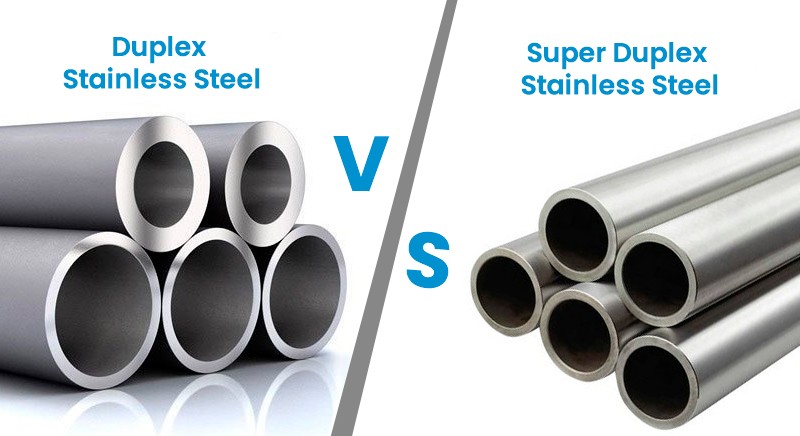
Selecting the right stainless steel grade is essential for ensuring corrosion resistance, strength, and long-term reliability in demanding environments. The comparison of super duplex steel vs duplex steel is particularly important for industries like oil & gas, marine, and chemical processing.
Both materials offer a combination of austenitic and ferritic structures, but they differ in performance, cost, and application scope. This guide provides a clear, structured breakdown of their properties, grades, key differences, and selection criteria to help procurement engineers make the right choice.
Understanding Duplex and Super Duplex Steel
What Is Duplex Steel?
Duplex steel is a stainless steel with a mixed microstructure of austenite and ferrite, typically in equal proportions.
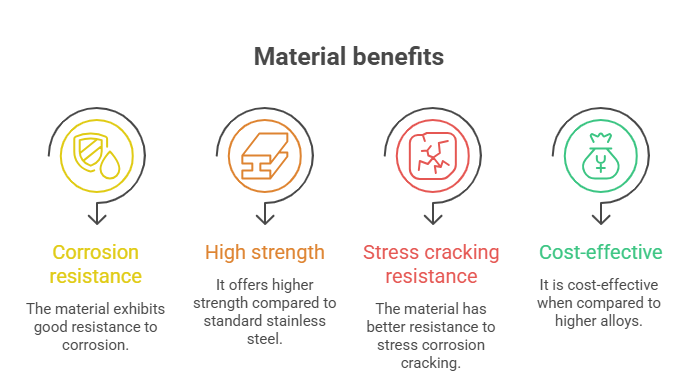
Key Characteristics
- Good corrosion resistance
- High strength compared to standard stainless steel
- Better resistance to stress corrosion cracking
- Cost-effective compared to higher alloys
What Is Super Duplex Steel?
Super duplex steel is an advanced version of duplex steel with higher alloy content, especially chromium, molybdenum, and nitrogen.
Key Characteristics
- Superior corrosion resistance
- Higher mechanical strength
- Excellent performance in extreme environments
- Higher cost
Super Duplex Steel vs Duplex Steel: Key Differences
1. Chemical Composition
- Duplex steel → Moderate alloy content
- Super duplex steel → Higher chromium, molybdenum, and nitrogen
Result: Enhanced performance in super duplex steel
2. Corrosion Resistance
- Duplex steel → Good resistance
- Super duplex steel → Excellent resistance, especially in chloride environments
Best for harsh environments: Super Duplex Steel
3. Strength and Mechanical Properties
- Duplex steel → High strength
- Super duplex steel → Even higher tensile and yield strength
Best for heavy-duty applications: Super Duplex Steel
4. Pitting Resistance (PREN Value)
- Duplex steel → Lower PREN (~25–35)
- Super duplex steel → Higher PREN (>40)
Indicates better resistance to pitting corrosion
5. Cost Comparison
- Duplex steel → More economical
- Super duplex steel → Higher cost due to alloying elements
6. Weldability
- Duplex steel → Easier to weld
- Super duplex steel → Requires controlled procedures
7. Applications
- Duplex steel → General industrial use
- Super duplex steel → Extreme environments (offshore, chemical)
Common Grades of Duplex and Super Duplex Steel
Duplex Steel Grades
- UNS S31803 – Most widely used duplex grade
- UNS S32205 – Improved corrosion resistance
Super Duplex Steel Grades
- UNS S32750 (2507) – High strength and corrosion resistance
- UNS S32760 – Enhanced durability in aggressive environments
Properties Comparison
Mechanical and Chemical Properties
Property | Duplex Steel | Super Duplex Steel |
Strength | High | Very High |
Corrosion Resistance | Good | Excellent |
PREN Value | 25–35 | >40 |
Cost | Moderate | High |
Durability | Good | Excellent |
When Should You Choose Duplex Steel?
Ideal Applications
- Water treatment plants
- General chemical processing
- Structural applications
- Moderate marine environments
Why It Works
Duplex steel offers a balance of strength, corrosion resistance, and cost, making it suitable for standard industrial use.
When Should You Choose Super Duplex Steel?
Ideal Applications
- Offshore oil and gas platforms
- Desalination plants
- Highly corrosive chemical environments
- Marine systems with high chloride exposure
Why It Works
Super duplex steel provides maximum durability and corrosion resistance, making it ideal for extreme conditions.
How to Choose Between Duplex and Super Duplex Steel
Step-by-Step Selection Guide
Evaluate Environment
Moderate corrosion → Duplex steel
Severe corrosion → Super duplex steelCheck Strength Requirements
Standard → Duplex steel
Heavy-duty → Super duplex steelAnalyze Budget
Cost-sensitive → Duplex steel
Performance-focused → Super duplex steelConsider Lifecycle Cost
Long-term reliability may justify higher initial cost
People Also Ask
What is the main difference between duplex and super duplex steel?
Super duplex steel has higher alloy content, offering better corrosion resistance and strength.
Which is better for marine environments?
Super duplex steel is better due to its superior resistance to chloride corrosion.
Is super duplex steel more expensive?
Yes, due to higher alloying elements and enhanced performance.
Can duplex steel be used in offshore applications?
Yes, but for highly aggressive environments, super duplex steel is preferred.
What does PREN value indicate?
PREN (Pitting Resistance Equivalent Number) indicates resistance to pitting corrosion—the higher the value, the better the resistance.
Real-World Use Case
Example Scenario
Project: Offshore oil platform
- Requirement: High corrosion resistance + strength
- Solution: Super Duplex Steel (UNS S32750)
Result: Long-term durability with minimal maintenance
Related Reports
What Is Inconel Pipe? Uses, Grades & Why It’s Used in Oil & Gas
Types of Stainless Steel Pipes Explained: Seamless, Welded, Duplex & Super Duplex
Inconel vs Stainless Steel Pipe: Which Should You Choose for High-Temp Applications?
Conclusion
Understanding the differences between super duplex steel vs duplex steel is essential for selecting the right material for your application.
Final Takeaways
- Duplex steel → Cost-effective and reliable for moderate environments
- Super duplex steel → Best performance in extreme conditions
- Always evaluate corrosion, strength, and lifecycle cost
Procurement Insight
Choosing the right material ensures safety, efficiency, and long-term reliability, helping engineers optimize performance while controlling costs.