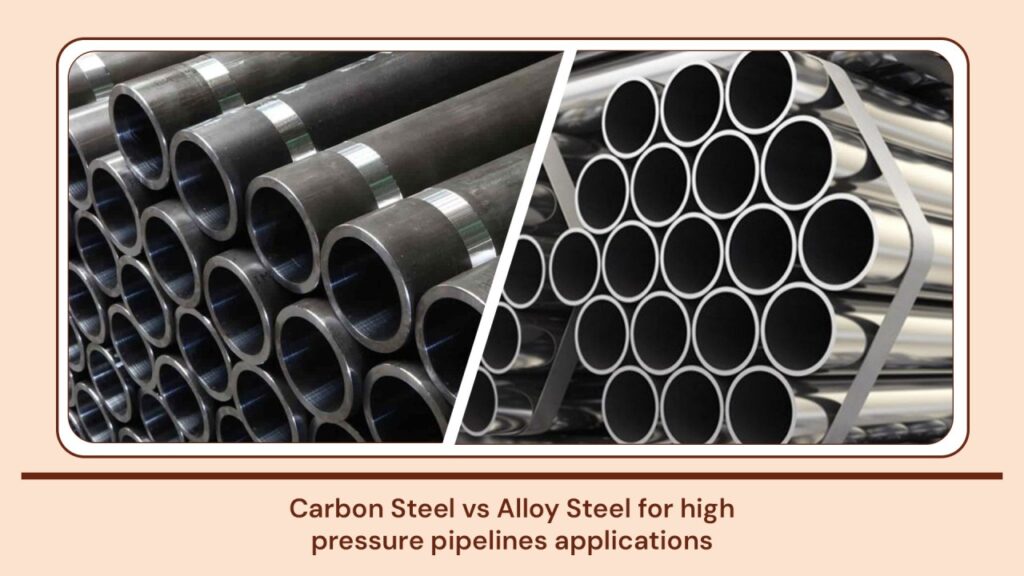
Selecting the right pipe material is a critical decision that directly impacts performance, durability, safety, and long-term cost. The comparison of carbon steel vs alloy steel pipe is especially important for procurement engineers working across oil & gas, power, and manufacturing industries.
While both materials are widely used, they differ significantly in composition, mechanical properties, corrosion resistance, and application scope. This guide provides a structured overview to help you understand their differences and choose the right material for your project.
Understanding the Material Basics
Before diving into comparisons, it’s essential to understand how each material is defined.
What Is Carbon Steel Pipe?
Carbon steel pipes are primarily made of iron and carbon, with minimal alloying elements.
Key Characteristics
- High strength and hardness
- Cost-effective
- Limited corrosion resistance
Suitable for structural and pressure applications
What Is Alloy Steel Pipe?
Alloy steel pipes contain additional elements such as chromium, molybdenum, nickel, or vanadium to enhance performance.
Key Characteristics
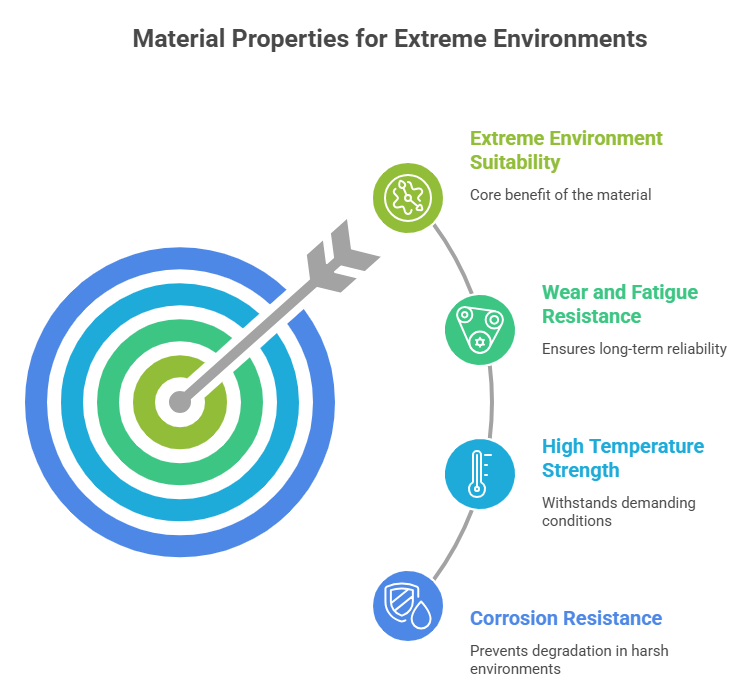
- Improved corrosion resistance
- Enhanced strength at high temperatures
- Better wear and fatigue resistance
-
Suitable for extreme environments
Carbon Steel vs Alloy Steel Pipe: Key Differences
1. Chemical Composition
- Carbon steel → Iron + carbon
- Alloy steel → Iron + carbon + alloying elements
Alloying elements significantly improve performance.
2. Strength and Mechanical Properties
- Carbon steel → High strength for general use
- Alloy steel → Superior strength and toughness under extreme conditions
Best for demanding environments: Alloy Steel
3. Corrosion Resistance
- Carbon steel → Prone to rust without coating
- Alloy steel → Better resistance due to added elements
Best for corrosive environments: Alloy Steel
4. Temperature Resistance
- Carbon steel → Suitable for moderate temperatures
- Alloy steel → Performs well in high-temperature and high-pressure conditions
5. Cost Comparison
- Carbon steel → More economical
- Alloy steel → Higher cost due to alloying elements
Best for budget projects: Carbon Steel
6. Weldability and Fabrication
- Carbon steel → Easier to weld and fabricate
- Alloy steel → Requires specialized techniques
7. Applications
- Carbon steel → Construction, pipelines, structural use
- Alloy steel → Power plants, refineries, chemical processing
Properties Comparison
Mechanical and Physical Properties
Property | Carbon Steel Pipe | Alloy Steel Pipe |
Strength | High | Very High |
Corrosion Resistance | Low | Moderate to High |
Temperature Handling | Moderate | Excellent |
Cost | Low | High |
Durability | Good | Excellent |
Standards for Carbon and Alloy Steel Pipes
Standards ensure quality, safety, and consistency in industrial applications.
Carbon Steel Standards
- ASTM A53 – General-purpose pipes
- ASTM A106 – High-temperature service
- API 5L – Pipeline applications
Alloy Steel Standards
- ASTM A335 – High-temperature service
- ASTM A213 – Heat exchanger and boiler tubes
Why Standards Matter
- Ensure compliance with industry requirements
- Define mechanical and chemical properties
- Reduce risk of failure
When Should You Choose Carbon Steel Pipes?
Ideal Applications
- Structural frameworks
- Oil and gas pipelines
- Water distribution systems
- General industrial use
Why It Works
Carbon steel offers strength and affordability, making it ideal for large-scale projects.
When Should You Choose Alloy Steel Pipes?
Ideal Applications
- Power plants and boilers
- Chemical and petrochemical industries
- High-temperature systems
- High-pressure applications
Why It Works
Alloy steel provides enhanced durability and performance in extreme conditions.
How to Choose the Right Pipe Material
Step-by-Step Selection Guide
Evaluate Environment
Corrosive → Alloy steel
Non-corrosive → Carbon steelCheck Temperature Requirements
High temperature → Alloy steel
Moderate → Carbon steelAnalyze Pressure Conditions
High pressure → Alloy steel
Standard → Carbon steelConsider Budget
Cost-sensitive → Carbon steel
Performance-focused → Alloy steelAssess Lifecycle Cost
Maintenance and replacement factors
People Also Ask
What is the main difference between carbon steel and alloy steel?
The main difference is the presence of alloying elements in alloy steel, which improve performance and durability.
Which pipe is better for high-temperature applications?
Alloy steel pipes are better suited due to their enhanced heat resistance.
Is alloy steel more expensive than carbon steel?
Yes, alloy steel is more expensive due to added elements and improved properties.
Can carbon steel be used in corrosive environments?
Only with proper coatings or treatments, as it is prone to corrosion.
Which is stronger, carbon steel or alloy steel?
Alloy steel is generally stronger and more durable under extreme conditions.
Real-World Use Case
Example Scenario
Project: Power plant piping system
- Requirement: High temperature + pressure resistance
- Solution: Alloy steel pipe (ASTM A335)
Result: Reliable performance under extreme conditions
Conclusion
Understanding the differences between carbon steel vs alloy steel pipe is essential for making the right material choice.
Final Takeaways
- Carbon steel → Cost-effective and strong for general use
- Alloy steel → High performance for extreme environments
- Always consider application, temperature, and lifecycle cost
Procurement Insight
A smart selection ensures efficiency, safety, and long-term reliability, helping engineers deliver successful and cost-optimized projects.