For petrochemical projects, choosing the appropriate industrial pipe is a crucial choice that has an immediate impact on long-term operating costs, performance, and safety. Environmental factors further complicate matters in areas like Africa and the Gulf Cooperation Council (GCC). Materials that are resistant to both mechanical stress and chemical assault are required in harsh chemical processing conditions, extreme heat, sand exposure, high salinity, and offshore corrosion. Corrosion failures, leaks, downtime, and costly repairs might result from selecting the incorrect pipe material. This article teaches how to make the best decision based on actual operating conditions and industry regulations.
Recognizing Industrial Pipe Needs
Fluids like water, steam, chemicals, natural gas, and crude oil are transported via industrial pipes in petrochemical facilities. These pipelines function in accordance with:
- High pressure
- Elevated temperatures
- Corrosive chemical exposure
- Continuous operational stress
Because of this, pipes must be selected not only for strength but also for durability and resistance to environmental factors.
Key Factors to Consider Before Selecting Industrial Pipes
1. Environmental Conditions (GCC vs Africa)
The operating environment plays a major role in pipe selection.
GCC Region:
- Extremely high temperatures
- Sandstorms and dust exposure
- High UV radiation
- Saline coastal environments
Africa:
- Offshore corrosion (saltwater exposure)
- Humidity and tropical climates
- Remote project locations
- Variable temperature conditions
Pipes used in these regions must resist corrosion, oxidation, and thermal expansion.
2. Material Selection
Material choice is the most important factor in determining pipe performance.
Common Materials Used:
- Carbon Steel – cost-effective and strong but prone to corrosion
- Stainless Steel – good corrosion resistance and durability
- Duplex Stainless Steel – high strength and excellent corrosion resistance
- Super Duplex Stainless Steel – superior corrosion resistance for offshore and high-pressure systems
- Inconel – ideal for high-temperature and extreme environments
- Hastelloy – best for highly corrosive chemical applications
Each material is suited for specific conditions. For example, offshore projects often require Super Duplex Stainless Steel, while high-temperature processing units may require Inconel.
3. Corrosion Resistance
Corrosion is one of the biggest challenges in petrochemical industries. Different types of corrosion must be considered:
- Pitting corrosion
- Crevice corrosion
- Stress corrosion cracking
- Sulfide stress cracking (common in oil & gas)
Selecting corrosion-resistant materials significantly increases pipeline lifespan and reduces maintenance costs.
4. Pressure and Temperature Ratings
Pipes must handle the operating pressure and temperature of the system. High-pressure pipelines require thicker walls and stronger materials.
Standards such as ASME and ASTM define allowable limits. Always ensure:
- Pipe thickness matches pressure rating
- Material can withstand temperature variations
- Safety margins are maintained
5. Fluid Type and Chemical Compatibility
Different fluids react differently with materials. For example:
- Acidic chemicals require corrosion-resistant alloys like Hastelloy
- High-temperature gases require heat-resistant alloys like Inconel
- Seawater exposure requires materials like Super Duplex Stainless Steel
Understanding chemical composition is critical for selecting the right pipe.
6. Onshore vs Offshore Applications
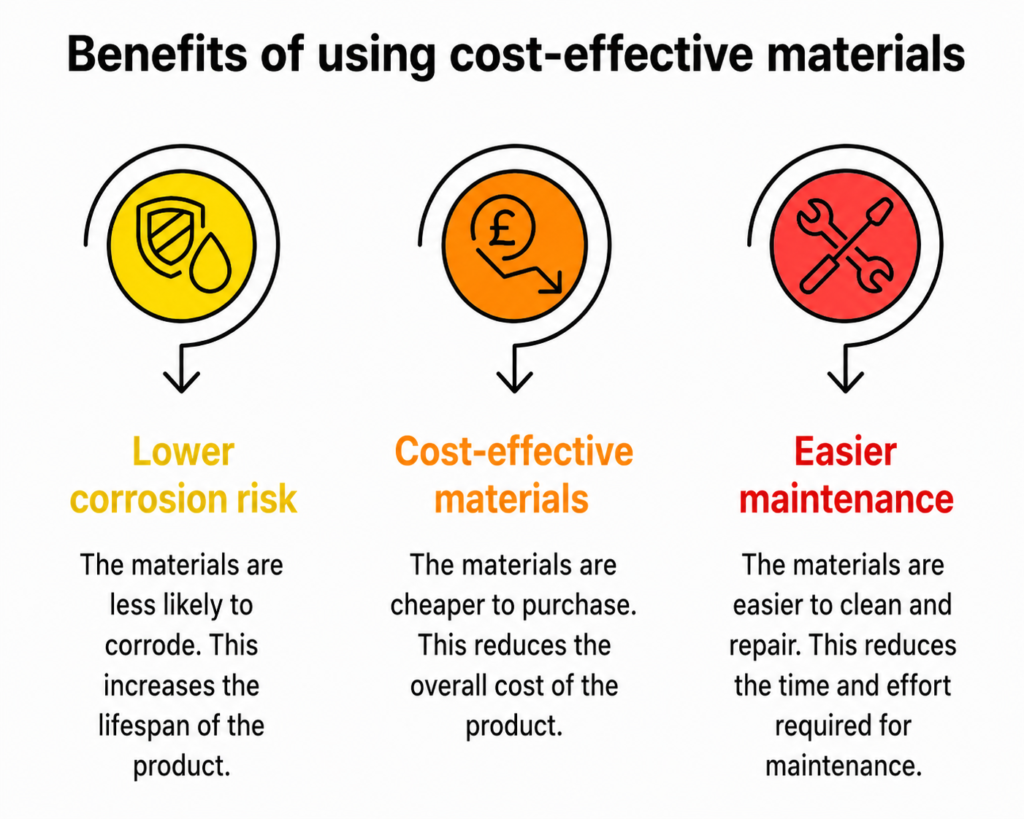
Onshore Projects:
- Lower corrosion risk
- Cost-effective materials can be used
- Easier maintenance
Offshore Projects:
- High exposure to saltwater
- Severe corrosion conditions
- Require premium materials like Super Duplex Stainless Steel or nickel alloys
Offshore pipelines require higher durability and stricter material selection.
7. Pipe Size, Thickness, and Design
Pipe dimensions must match the system requirements:
- Diameter affects flow capacity
- Thickness affects pressure handling
- Design impacts installation and maintenance
Engineers must calculate flow rates and stress factors before finalizing specifications.
8. Compliance with International Standards
Petrochemical projects follow strict global standards to ensure safety and quality.
Important standards include:
- ASTM (material standards)
- ASME (pressure and design standards)
- API (oil and gas industry standards)
- ISO (international quality standards)
Using certified materials ensures reliability and regulatory compliance.
9. Cost vs Performance Optimization
While high-performance materials offer better durability, they are more expensive. A smart approach includes:
- Using premium alloys in critical areas
- Using cost-effective materials in low-risk sections
- Optimizing material selection based on exposure
This helps reduce overall project cost without compromising safety.
10. Supplier Quality and Certification
Choosing the right supplier is as important as selecting the material. Always ensure:
- Material Test Certificates (MTC)
- Third-party inspection reports
- Traceability documentation
- Compliance with standards
Reliable suppliers ensure consistent quality and reduce risk.
Common Mistakes to Avoid
- Selecting materials based only on cost
- Ignoring environmental conditions
- Not considering corrosion risks
- Using non-certified materials
- Overlooking pressure and temperature limits
Avoiding these mistakes can prevent major failures and financial losses.
Best Practices for Pipe Selection
- Conduct detailed material analysis
- Understand operating conditions clearly
- Consult experienced engineers
- Perform corrosion and stress testing
- Plan for long-term durability
- Follow industry standards strictly
These practices help ensure safe and efficient operations.
Conclusion
Choosing the appropriate industrial pipe for petrochemical projects in Africa and the Gulf Cooperation Council (GCC) requires careful consideration of material performance, environmental circumstances, and economical considerations. Variables including temperature, pressure, corrosion, and fluid compatibility must all be taken into account before making a decision. Advanced materials including Inconel, Hastelloy, Super Duplex Stainless Steel, and Duplex Stainless Steel are primarily responsible for long-term performance in difficult environments. By following the proper selection process and industry standards, businesses can acquire reliable, secure, and affordable pipeline systems for modern petrochemical processes.
How We Support You
Selecting the right industrial pipe for petrochemical projects is critical for ensuring operational safety, corrosion resistance, high-pressure performance, and long-term reliability in demanding GCC and African industrial environments. Our team helps you choose the most suitable piping materials and specifications based on process conditions, chemical exposure, temperature ranges, pressure requirements, and industry standards.
We support you with:
- Guidance in selecting the right pipe materials, including stainless steel, carbon steel, duplex steel, and high nickel alloys
- Recommendations for refinery, petrochemical, chemical processing, LNG, and offshore applications
- Support for handling corrosive chemicals, chlorides, sour gas, high temperatures, and high-pressure service conditions
- Assistance with ASTM, ASME, API, ANSI, NACE, ARAMCO, and SABIC specification compliance
- Guidance for process piping, transmission pipelines, heat exchangers, pressure vessels, and utility systems
- Recommendations for seamless, welded, ERW, and EFW pipe solutions based on project requirements
- Technical support for pipe schedules, wall thickness selection, fittings, flanges, and custom fabrication needs
- Documentation support including MTCs, inspection reports, testing certificates, and quality compliance
- Fast quotations, export logistics, and bulk supply support for GCC & African petrochemical industries
Whether your project involves petrochemical plants, refineries, offshore facilities, gas processing units, fertilizer plants, or industrial infrastructure, we provide reliable industrial piping solutions tailored to your operational performance, corrosion resistance, and long-term project requirements.